Your project is behind schedule and over budget. The culprit might be silent, underground, and grinding away your profits: you could be using the wrong drill bit for the job.
To choose the right drill bit for a construction project, you must match the bit to the ground formation, drilling application (such as piling or HDD), and required hole specifications. When the bit is properly selected, drilling efficiency improves significantly, drilling time can be reduced by 15–30%, and overall project costs are lowered.

The difference between a profitable project and a losing one can come down to the tool that meets the rock. With so many options available, how do you choose the right one? Let’s break down the key types and where they perform best.
Main Types of Drill Bits for Construction Projects
Confused by the alphabet soup of bits—PDC, DTH, TCI? Choosing incorrectly leads to slow progress, premature tool wear, and frustration on site, directly impacting your bottom line.
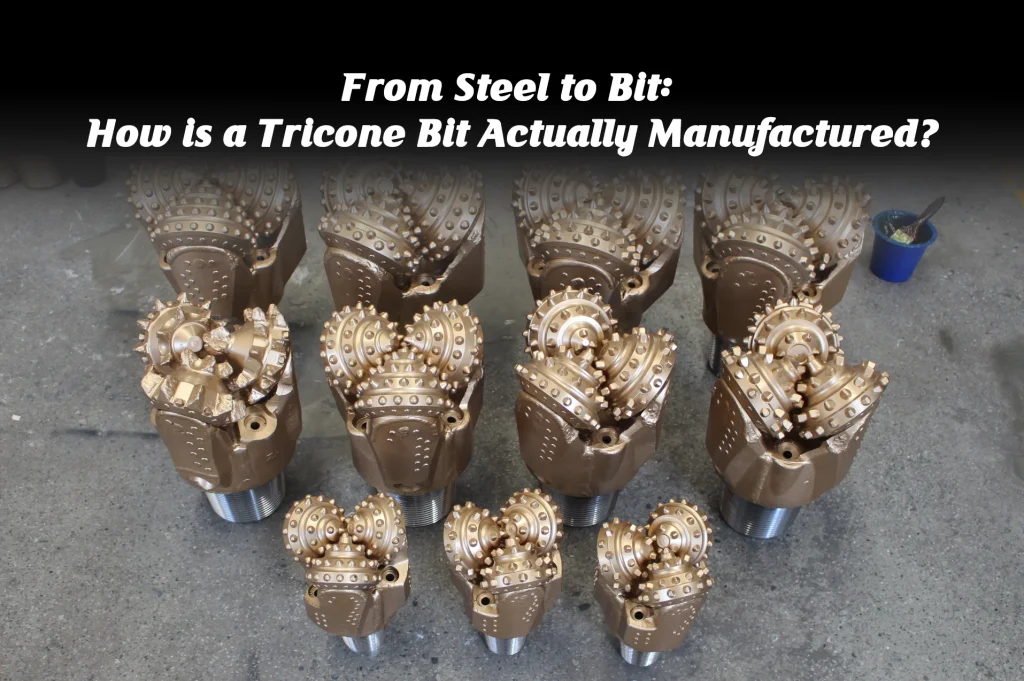
The main types include Tricone bits for variable rock, PDC bits for speed in softer formations, Drag bits for soils, Reamers for hole opening, and DTH bits for deep hard rock drilling. Each is designed for a specific task and geology.

As a drill bit manufacturer supplying foundation and HDD projects worldwide, we’ve seen how the right bit choice can reduce drilling costs by over 20% in challenging formations. In real projects, the wrong bit often leads to excessive vibration, poor hole quality, deviation, or premature bearing failure—issues that cause downtime long before the bit is fully worn. A procurement manager or project owner who understands this can gain a significant competitive advantage by optimizing tool selection instead of just focusing on initial purchase price.
A Breakdown of Common Bit Types
| Bit Type | Primary Drilling Action | Best Suited For | Key Feature |
|---|---|---|---|
| Tricone Bits | Crushing and grinding | Variable formations, from soft clay to hard rock and even concrete. | Highly versatile; available in Milled Tooth (soft) or Tungsten Carbide Insert (TCI) for hardness. |
| PDC Bits | Shearing | Soft to medium-hard, homogenous rock (shale, sandstone). | Extremely fast penetration rates in the right conditions; ideal for oil, gas, and HDD. |
| Drag Bits | Scraping and cutting | Soft formations like sand, clay, and some soft rock. | Simple, cost-effective design with fixed cutters; provides high ROP in soft ground. |
| Hole Openers/Reamers | Enlarging | Widening a pre-drilled pilot hole in any formation. | Allows for drilling large diameter holes with smaller rigs. Crucial for HDD and utility work. |
| DTH Bits | High-frequency fracturing | Medium to very hard, abrasive rock formations. | Works with a Down-The-Hole hammer to deliver impact energy directly at the rock face. |
Drill Bit Applications in Foundation, Piling & HDD Projects
Your piling job is painfully slow, while a competitor finishes a similar project faster. The difference isn’t the rig; it’s that they are using a bit perfectly matched to the application.
Tricone and DTH bits are used for deep foundations and piling. PDC and Drag bits excel in HDD for utility lines. Augers are for shallow foundations, and hole reamers are essential for enlarging tunnels and crossings.

The success of a foundation or infrastructure project hinges on creating holes of the right size, in the right place, as quickly as possible. The bit you choose is determined by the specific engineering requirements of the job. You wouldn’t use a soil auger to drill through granite, and you wouldn’t use a slow DTH bit for shallow utility bores in soft clay. Each application presents a unique set of challenges that a specific bit type is designed to overcome.
Matching the Bit to the Construction Task
Building Foundations and Piling
For deep foundations that support skyscrapers and bridges, you need to drill through mixed ground and into bedrock.
- Tricone Bits (TCI): These are the most common choice. In mixed formations with gravel and hard lenses, switching from a standard tricone to a formation-optimized TCI design often reduces bit changes and stabilizes drilling performance.
- DTH Bits: When piles must be socketed deep into hard, solid bedrock, a DTH system provides the necessary power and accuracy.
Tunneling and Horizontal Directional Drilling (HDD)
These applications require drilling horizontally to install utilities or pipelines.
- Drag Bits & PDC Bits: In soft to medium soils, these bits provide the fast penetration and steerability needed for HDD pilot holes.
- Hole Openers & Reamers: After the pilot hole is drilled, a reamer is pulled back through to enlarge it to the final diameter for the product pipe.
Technological Advancements in Modern Drill Bits
Are you still using the same drill bits from a decade ago? If so, you’re missing out on innovations that deliver faster drilling, longer life, and lower cost-per-meter.
Modern drill bits feature advanced cutter geometries and superior material science, like new tungsten carbide grades, that can extend bit life by 2-3x in abrasive formations. These innovations directly translate to better performance and durability.

The industry is constantly evolving. As a manufacturer, we invest heavily in R&D to push the boundaries of what these tools can do. The goal is always the same: drill faster, last longer, and handle tougher conditions. For contractors, adopting these advanced technologies is not just about having the latest gear; it’s about gaining a tangible edge. Even small improvements in bit design lead to significant savings in time and fuel over the course of a large project.
Key Areas of Drill Bit Innovation
- Advanced Cutter Technology: For PDC bits, this means developing cutters that are more abrasion-resistant and thermally stable. For Tricone bits, it involves creating more durable TCI shapes and improved bearing seals.
- Improved Material Science: New steel alloys and heat-treatment processes create bits that are more resistant to fatigue and cracking. Premium tungsten carbide grades dramatically increase wear resistance in abrasive rock like granite or quartzite.
- Smarter Hydraulic Design: Modern bits use Computational Fluid Dynamics (CFD) to optimize nozzle placement. This ensures cuttings are evacuated efficiently, preventing re-grinding and increasing the rate of penetration (ROP).
A Framework for Selecting the Right Drill Bit
Facing a wall of drill bit options can be overwhelming. Making the wrong choice means wasting money on a bit that wears out too fast or drills too slowly for the job.
To select the right bit, you must analyze four key criteria: the ground formation, your performance goals (speed vs. life), the hole specifications, and the total cost of ownership, not just the purchase price.

The most expensive bit is the one that fails prematurely or performs poorly. A systematic selection process removes guesswork and ensures you get the best value. This decision should be a collaborative effort between your procurement team and your on-site operators. As a supplier, our most successful customers provide us with detailed geological information, allowing us to recommend the optimal tool.
4-Step Checklist for Bit Selection
| Step | What to Consider | Key Question | Why It Matters |
|---|---|---|---|
| 1. Ground Formation | Soil / rock type | What material am I drilling? | The bit must match the formation to avoid fast wear or low efficiency. |
| 2. Performance Goal | Speed vs. durability | Do I need faster ROP or longer bit life? | Different designs balance penetration speed and wear resistance. |
| 3. Hole Requirements | Diameter & depth | How large and how deep is the hole? | Determines bit size, type, and need for reamers or DTH systems. |
| 4. Cost Efficiency | Cost per meter | What is the total drilling cost? | True cost includes bit life, rig time, fuel, and labor—not just price. |
Conclusion
In construction drilling, the bit is not a consumable—it is a performance tool. Selecting it correctly at the planning stage can prevent delays, reduce rework, and protect your project margin.
Ready to match the right performance tool to your next project? Contact our experts for customized recommendations based on your specific ground conditions and drilling requirements.